When it comes to content solutions, two of the most popular picks in 2025 are Sanity vs Contentful. Both are headless, API-driven platforms, but they differ in flexibility, pricing, and how much control they give you.
Picking the right CMS solution starts with knowing your team’s needs. There is a difference in how developers want to work and the kind of editing experience content teams expect. At the same time, you have to consider how the future platform might scale with your website, if it’s within the budget.. The list goes on.
For those trying to choose between Contentful and Sanity, we’ve prepared a quick comparison of both. Let’s find out which is the better choice for you.
Features of Contentful vs Sanity
Feature
Sanity
Contentful
Type
Content Operating System offering schema-as-code flexibility and real-time content collaboration.
A headless CMS with a structured, UI-first approach.
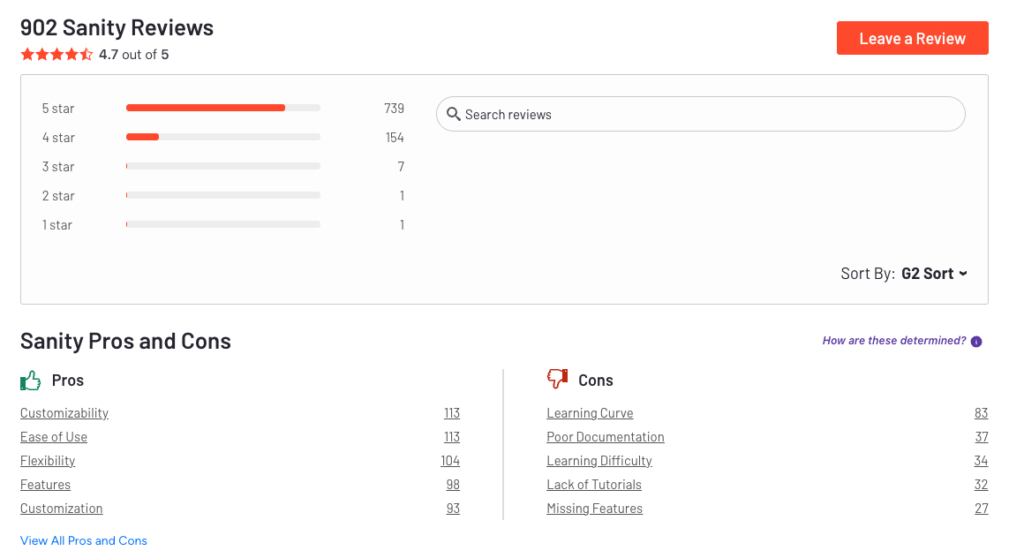
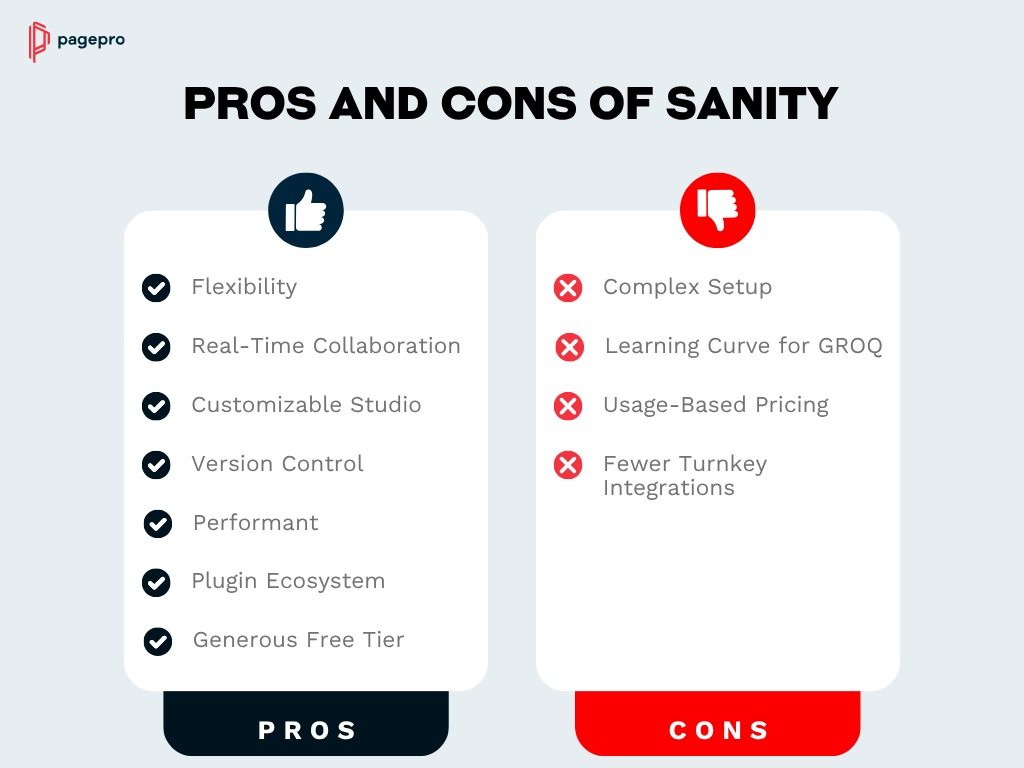
As a Content Operating System, Sanity gives developers complete control over how content is structured, edited, and delivered. Unlike CMSs with rigid, UI-driven models, Sanity stores content as structured data defined entirely in code. The content model can evolve alongside the product without fighting platform limitations, and it works seamlessly with frontend solutions like Next.js.
Many frontend developers like that Sanity’s schema-as-code fits right into their version control workflow, so content model changes are tracked and reviewed just like any other part of the codebase.
Rafał Dąbrowski, Pagepro Developer
Sanity is the leader in the headless CMS industry. It’s aimed at teams that want real-time collaboration and the ability to tailor the editing environment to their needs.
Watch our video to learn more about Sanity:
Sanity Core Features
Schema-as-code which lets you define your entire content structure in JavaScript or TypeScript.
Sanity Studio, a highly customizable, open-source editing environment built with React.
Real-time editing for multiple users. They can edit the same document simultaneously, with changes synced instantly.
Content Lake, a cloud-hosted datastore that delivers content updates in milliseconds.
GROQ query language with a powerful, flexible syntax for fetching exactly the data you need.
Build or install plugins for workflows, integrations, and custom field types.
Built-in image CDN with automatic transformations and optimization.
Contentful is a cloud-native, API-first headless CMS, sometimes referred to as a “composable content platform”. It decouples content storage from presentation, offering content as JSON data via REST or GraphQL APIs.
This architecture makes it flexible and channel-agnostic, ideal for modern omnichannel publishing.
Contentful Core Features
API-first architecture with REST and GraphQL endpoints for content delivery.
Structured content modelling for defining content types, fields, and relationships.
Role-based permissions for editorial governance.
Content versioning with history and rollback.
App Framework and Marketplace for integrations with analytics, e-commerce, translation, and marketing tools.
Contentful has become a go-to choice for many enterprises because it blends the stability of a mature platform with the flexibility of a headless setup. Its features are built to support large teams and high-traffic projects.
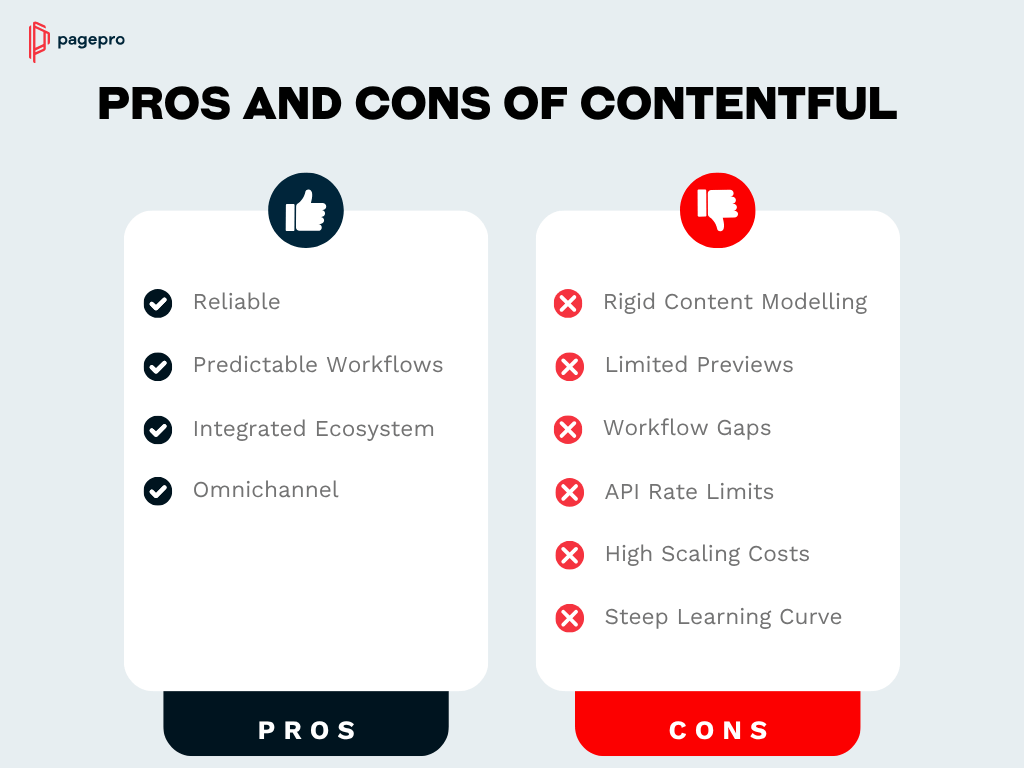
Reliability
Contentful is known for uptime and stability, backed by SLAs and global CDN infrastructure.
Predictable Workflows
A structured, UI-driven content model is easy for non-technical editors and marketers to follow, reducing errors in large teams.
Integrated Ecosystem
The App Marketplace and strong partner network make it straightforward to connect with third-party services.
Omnichannel
The API-first approach lets you push the same content to multiple platforms easily.
The Cons of Contentful
Contentful is a great option if you’re looking for reliability and governance, but it has some significant trade-offs:
Rigid Content Modelling
The structured approach is great for governance but can feel inflexible when requirements change. For example, introducing a new nested relationship or restructuring content types often requires multiple migration scripts and extensive testing.
Limited Previews
Contentful offers a Preview API and a Live Preview SDK, but they require extra setup. Without them, editors can’t see draft changes instantly, so feedback loops are slower compared to CMSs with built-in real-time preview.
Workflow Gaps
There’s no built-in real-time collaborative editing (like Google Docs or Sanity’s live editing). Two people editing the same entry risk overwriting each other’s changes.
API Rate Limits
Build processes, especially in static site generators or large migrations, can hit rate limits. On busy projects, this can cause delays unless you move to a higher-cost plan.
High Scaling Costs
Contentful pricing is tiered by users, locales, and content types. A project might start affordably but become expensive as you add editorial staff, expand into multiple regions, or store more entries.
Learning Curve
While editors can pick up the UI quickly, developers must learn Contentful’s specific APIs, content modelling patterns, and migration tooling, which adds onboarding time.
Which Companies Use Contentful?
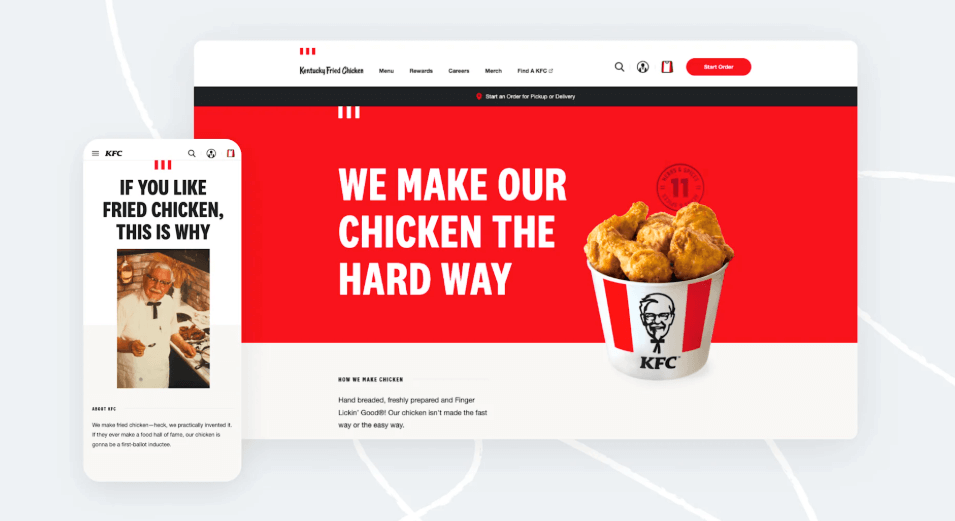
Source: Contentful
Contentful is often chosen for projects where structured governance, scalability, and predictable workflows are more important than extreme flexibility. Examples include:
Enterprise-scale websites that need strict content structures and localization.
Multi-channel publishing to deliver consistent content across websites, mobile apps, kiosks, and other digital touchpoints.
Marketing and campaign sites where content needs to be updated quickly without involving developers.
Global brand platforms maintain brand consistency across regions with role-based permissions and approval workflows.
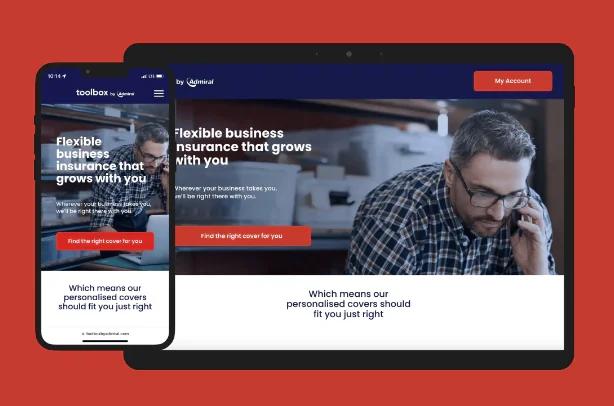
High-profile organisations, like KFC, BMW, and Notion, rely on Contentful for enterprise-scale and multi-platform content delivery. However, many teams are migrating from Contentful due to its high costs and rigid architecture.
EXPERT INSIGHTS, FRICTIONLESSLY DELIVERED!
Sign up for our newsletter and tech news delivered to your inbox every month.
What is the Difference Between Contentful and Sanity?
Both Contentful and Sanity are API-first, headless platforms. However, they approach content management very differently.
Contentful takes a UI-first, structured approach. You model content types within its dashboard, define fields through the interface, and let non-technical editors work within a predictable, governed environment. This way, onboarding is much easier for large teams and helps to keep content consistent across regions and channels.
Sanity, on the other hand, is schema-as-code from the ground up. Content models live in the codebase, so developers have complete control over the structure. Studio editing environment in Sanity is open-source and fully configurable. The real-time collaboration feature means multiple editors can work on the same content simultaneously without conflicts.
The result is that Contentful often appeals to enterprises that need predictability and a ready-made editorial interface. Sanity is well-liked by developer and editorial teams looking for flexibility.
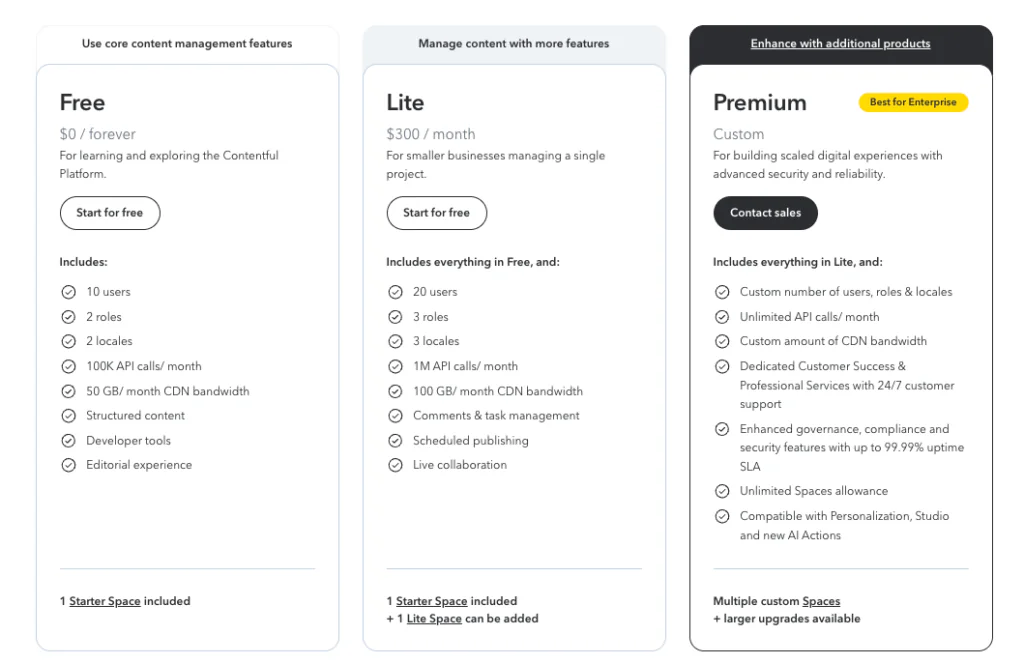
Contentful uses a tiered pricing model with clear limits at each level.
Paid Tiers in Contentful
Lite: $300/Month
20 users, 3 roles, 3 locales
1M API calls/month
100 GB/month CDN bandwidth
Comments & task management
Scheduled publishing
Live collaboration
1 Starter Space (with option to add 1 Lite Space)
Premium: Custom pricing Everything in Lite, and a few more features:
Custom users, roles, and locales
Unlimited API calls/month
Custom CDN bandwidth
Enhanced governance, compliance, and security
Up to 99.99% uptime SLA
Dedicated customer success and 24/7 support
Unlimited Spaces and advanced features (e.g., Personalization, Studio, AI Actions)
Is There a Free Version of Contentful?
Yes. Contentful’s free plan is suitable for learning, prototyping, or very small sites. Most production projects with multiple locales, higher traffic, or more complex workflows will need to move to Lite or Premium. It includes:
10 users, 2 roles, 2 locales
100K API calls/month
50 GB/month CDN bandwidth
Structured content, developer tools, and editorial experience
The difference in costs between Contentful and Sanity, depending on your needs, can be staggering. Our clients usually need at least 5 users and 30 different content types. Let’s compare how much a setup like this can cost on Contentful and on Sanity.
Sanity Monthly Costs (Growth Tier)
5 users * $15 = $75per month
To that, you should add $25 for any extra usage that might occur. In the end, you’ll likely pay around $100 per monthwith Sanity.
Contentful Monthly Costs (Light Tier)
The Starter Space on Contentful, which is included for free, features 25 different content types. To use more than that, you need the Lite Space. It can be added to the Lite Plan and offers up to 50 content types.
$300 Lite Plan + $850 Lite Space = $1150per month
The monthly difference for a 5-user, 30-content types setup between Sanity and Contentful is over $1000. If you’re using Contentful, then by switching to Sanity, you can save up to $12000 a year.
Sanity vs Contentful: Choosing the Right Option
Both Sanity and Contentful are capable, modern platforms; the better choice comes down to your team’s needs.
Pick Sanity if…
Full control over content structure through schema-as-code is important.
Real-time collaboration between editors is a core requirement.
A fully customizable editing environment is needed to match unique workflows.
Flexible, usage-based pricing is preferred for smaller projects with room to scale.
The content model is complex or expected to change frequently.
Choose Contentful if…
A ready-to-use, structured editorial environment will speed up adoption for non-technical users.
Predictable pricing and defined limits outweigh the need for deep customization.
Large, distributed teams rely on strict governance, roles, and approval workflows.
Enterprise-grade reliability, global content delivery, and strong SLAs are top priorities.
A wide ecosystem of integrations and proven enterprise deployments is essential.
In short, Sanity shines when flexibility, customization, and live collaboration matter most, while Contentful excels in structured governance, predictable workflows, and enterprise scalability.
Contentful is a headless CMS. It stores content in a structured way and delivers it through APIs, allowing developers to use any technology to display that content on websites, apps, or other digital platforms.
Which CMS is Better, Sanity or Contentful?
Sanity is ideal for developer-led projects that need flexibility, real-time collaboration, and a fully customizable editing experience. Contentful works best for larger teams that value a ready-to-use interface, structured governance, and predictable pricing. Both are powerful headless CMS platforms, but the right one for you comes down to workflow preferences, budget, and long-term scalability.
What is a Headless CMS?
A headless CMS separates the content management back end from the front-end presentation. Content is created and stored in the CMS, then delivered via an API to any channel.
Is Sanity a CMS?
Sanity is a Content Operating System. It offers more customization, real-time collaboration, and schema-as-code content modeling than traditional CMS options.
What’s the Difference Between Headless CMS and Content Operating System?
A headless CMS solution focuses on storing and delivering content via APIs. A Content Operating System, like Sanity, does that too but adds deeper customization, real-time collaboration, and the ability to fully control the content model and editing environment.
Is Sanity CMS Open-Source?
Sanity Studio, the editing interface, is open source and can be customized or extended by developers. The hosted Content Lake (where your content is stored and delivered) is not open source.
Why is Contentful So Expensive?
Contentful can become costly because pricing increases with the number of users, locales, API calls, and content spaces. Enterprise plans also include advanced features, SLAs, and dedicated support, which add to the price.